The Ultimate South Korea Travel Guide 2026

Are you thinking of travelling to South Korea?

Embark on an unforgettable journey through the vibrant landscapes and captivating culture of this stunning country. Our guide is your go-to resource for discovering the most charming cafes, delectable restaurants, and irresistibly photogenic spots that South Korea has to offer. Whether you’re a solo traveler, a food enthusiast, or a photography aficionado, our meticulously curated content ensures you’ll experience the essence of South Korea like never before. From bustling urban hubs to serene countryside escapes, let us be your companion as you explore the hidden gems and iconic landmarks that make South Korea a must-visit destination. Your adventure starts here – let’s dive into the enchanting world of South Korea together!

Welcome to our Ultimate Travel Guide for South Korea 2026!

FIRST TIME TRAVELLING TO KOREA?

Navigating a new country can be overwhelming, especially for beginners, which is why we’ve designed these guides to provide you with step-by-step insights and essential tips. Make sure to read these listicle guides before travelling to Korea!

BEST RESTAURANTS AND CAFES IN KOREA

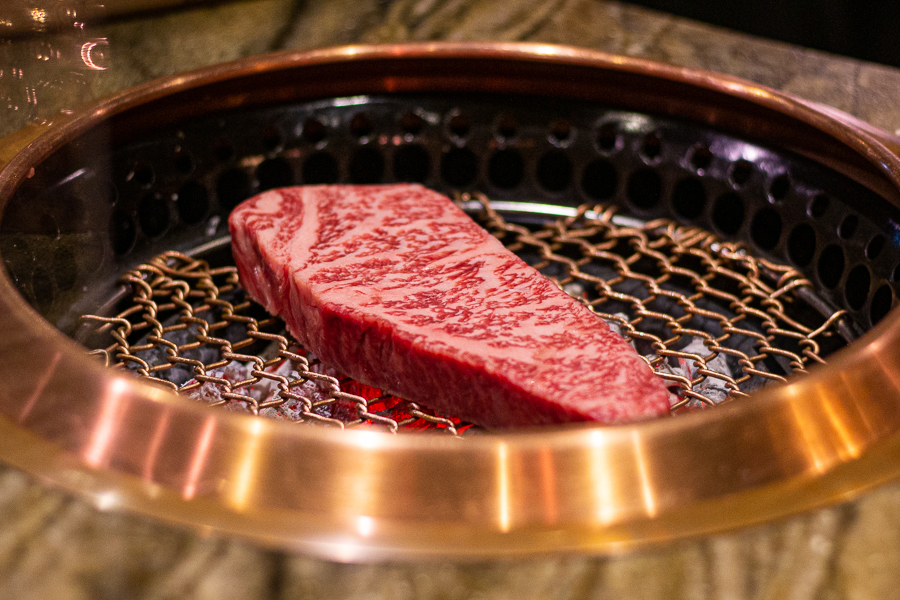
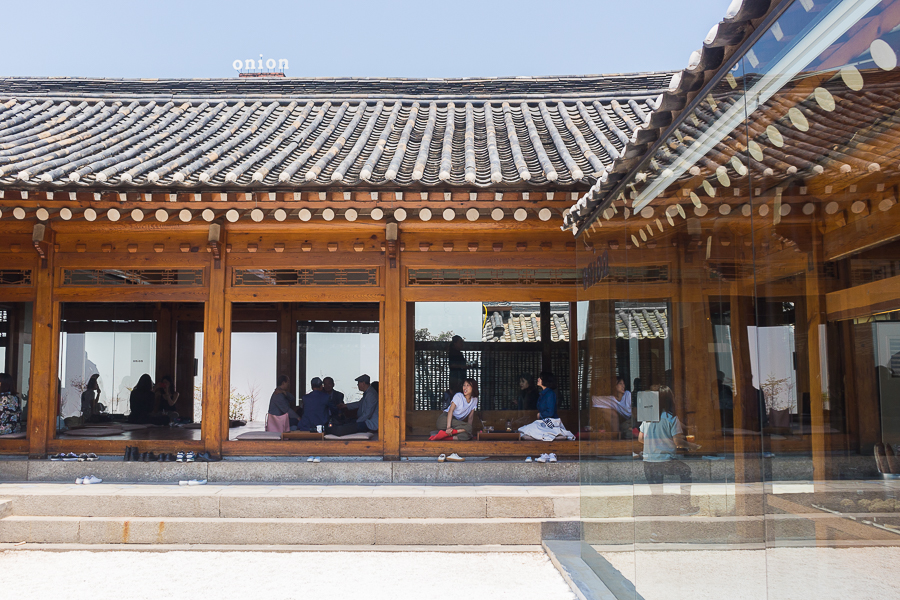
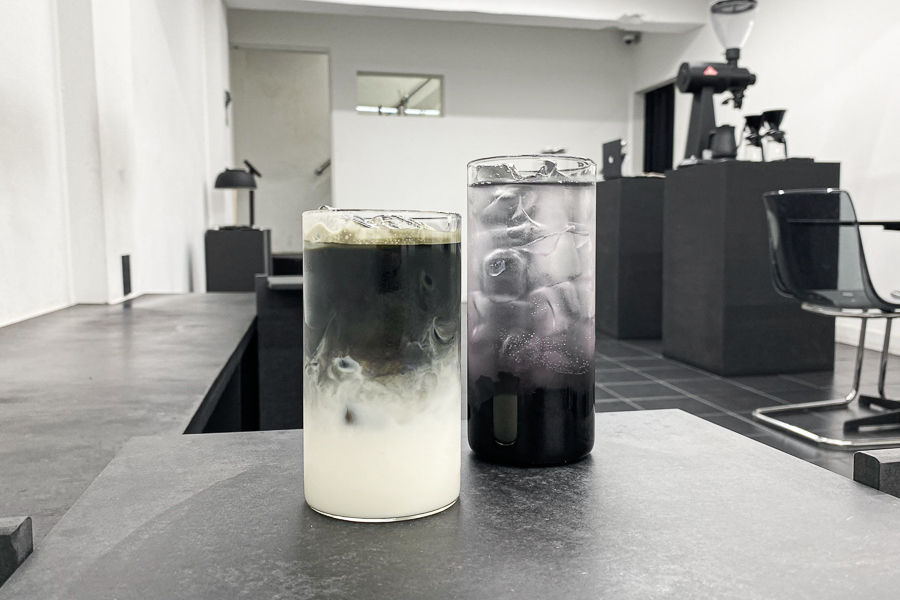
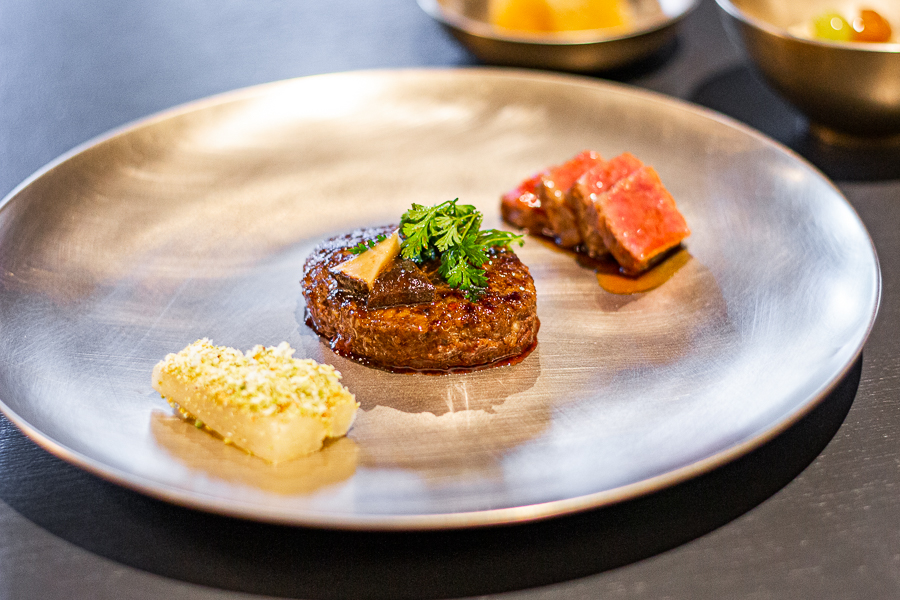
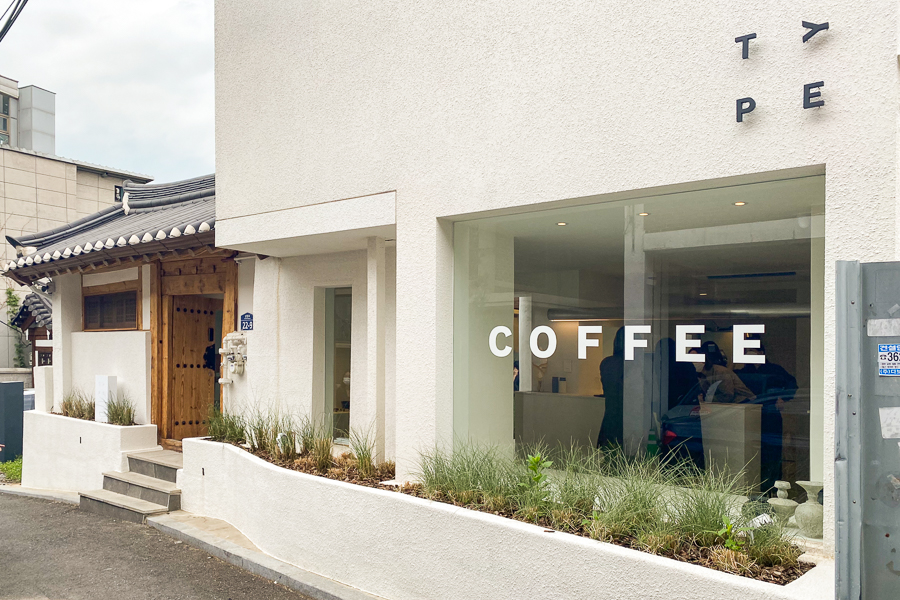
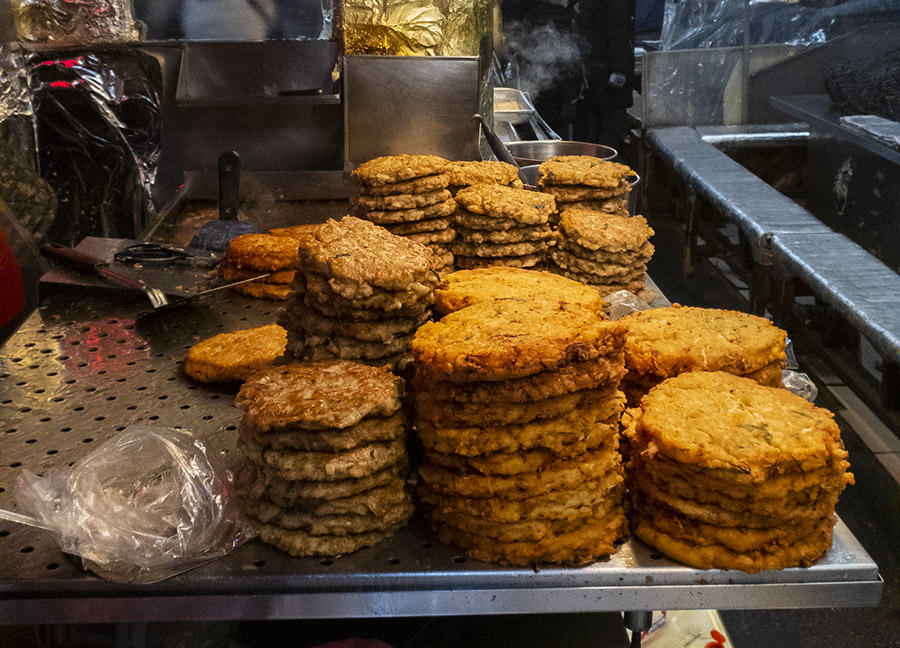
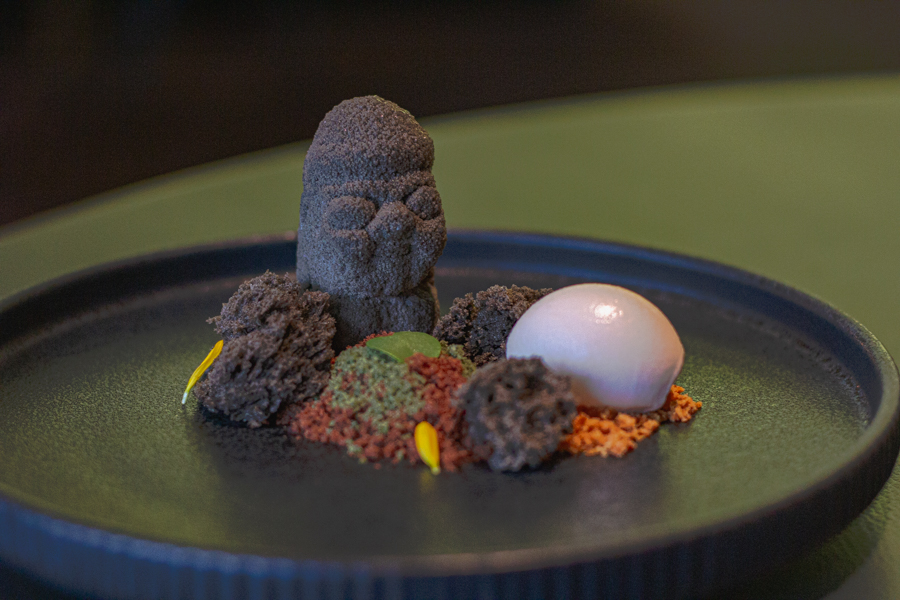
What’s a trip without some good food? You’re in luck because Korea is full of tasty restaurants and instaworthy cafes.
If you’re thinking of what to eat in Korea, here are some recommendations to check out. Click the link in the photos to read more!

Klook.com

South Korea Travel FAQ: Everything You Need To Know

Planning your first (or next) trip to South Korea? Here are answers to the most common questions from Singapore travellers heading to Korea.

Do Singaporeans need a visa to visit South Korea?

No, Singaporeans do not need a visa to visit South Korea. Singapore passport holders can enter South Korea visa-free for up to 90 days for tourism purposes. You only need a valid passport and a return ticket. There are no pre-arrival permits required.

What is the best time of year to visit South Korea?

The best times to visit South Korea are spring (March to May) and autumn (September to November). Spring brings iconic cherry blossoms and mild temperatures, while autumn offers vivid foliage and comfortable weather. Summer (June to August) is hot and humid with a rainy season in July, and winter (December to February) is very cold but ideal for skiing in Gangwon-do and snow experiences in Seoul.

How many days should I spend in South Korea?

For a first-time visitor, 7 to 10 days is ideal for South Korea. This gives you 5–6 days to explore Seoul and 2–3 days for a side trip to Busan, Jeju, or the Gangwon-do region. If you only have a long weekend (4–5 days), a Seoul-only trip is very manageable. Repeat visitors often spend 2 weeks to explore lesser-known regions like Jeollanam-do, Gyeonggi-do, and the southern coast.

What is the best area to stay in Seoul?

The best area to stay in Seoul depends on your travel style. Myeongdong is ideal for first-timers. It's central, well-connected by metro, and packed with shopping and street food. Hongdae suits younger travellers looking for nightlife and indie culture. Gangnam offers upscale hotels and is close to COEX and K-pop attractions. For a quieter, more local experience, Yongsan (near Itaewon and Hannam) is increasingly popular for its cafes and restaurants.

How much does a trip to South Korea cost from Singapore?

A mid-range trip to South Korea from Singapore typically costs SGD $1,500–$2,500 per person for 7 days, including return flights, accommodation, food, and transport. Budget travellers staying in guesthouses and eating at convenience stores or market stalls can do it for under SGD $1,500. Accommodation in Seoul ranges from SGD $50–$80/night for a clean guesthouse to SGD $150+ for a mid-range hotel. Daily food costs are very reasonable, a full Korean meal at a local restaurant costs as little as KRW 8,000–15,000 (about SGD $8–$15).

Is South Korea safe for solo travellers?

Yes, South Korea is one of the safest countries in Asia for solo travellers, including solo female travellers. Crime rates are low, public transport is reliable and easy to navigate, and convenience stores are open 24 hours. English signage is widely available in Seoul, Busan, and Jeju. It is generally safe to walk alone at night in most tourist and residential areas.

What are the must-try foods in South Korea?

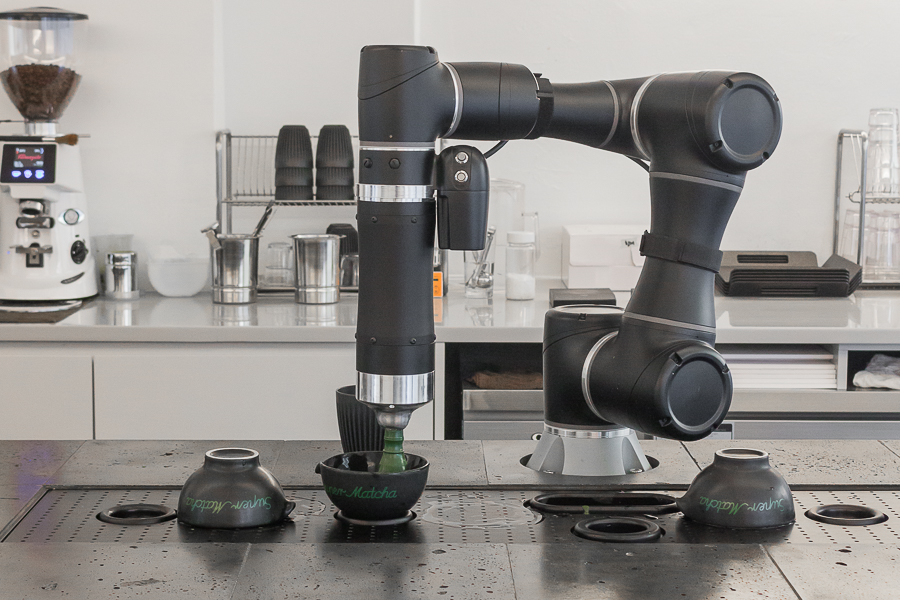
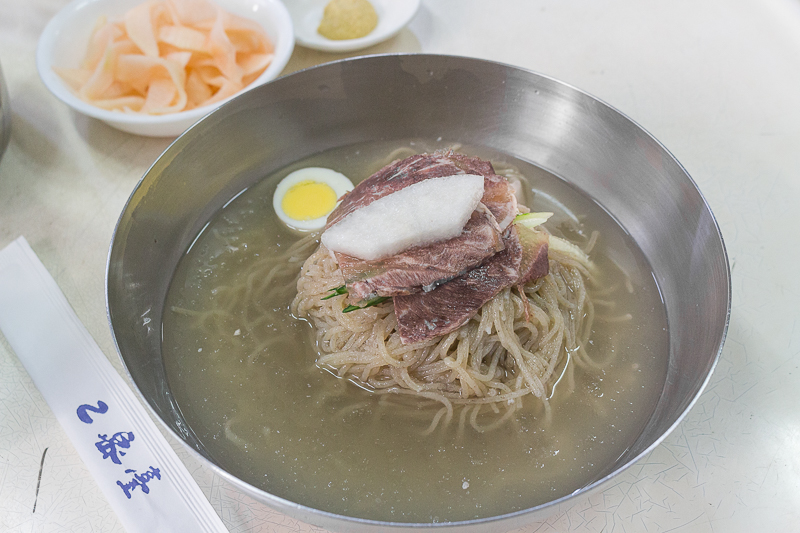
The must-try foods in South Korea include Korean BBQ (samgyeopsal and galbi), bibimbap, tteokbokki (spicy rice cakes), sundubu jjigae (soft tofu stew), naengmyeon (cold noodles), and chimaek (fried chicken with beer). For street food, look out for hotteok (sweet pancakes), eomuk (fish cake skewers), and bungeoppang (fish-shaped pastries filled with red bean). Korea is also famous for its cafe culture — matcha lattes, dalgona coffee, and elaborate dessert cafes are a big part of the food experience.

What are the best cafes in Seoul to visit?

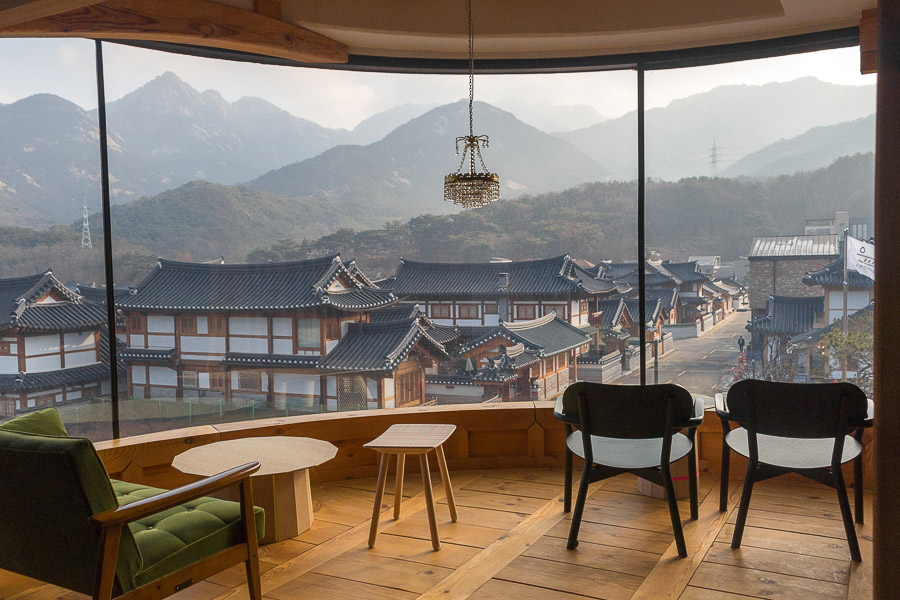
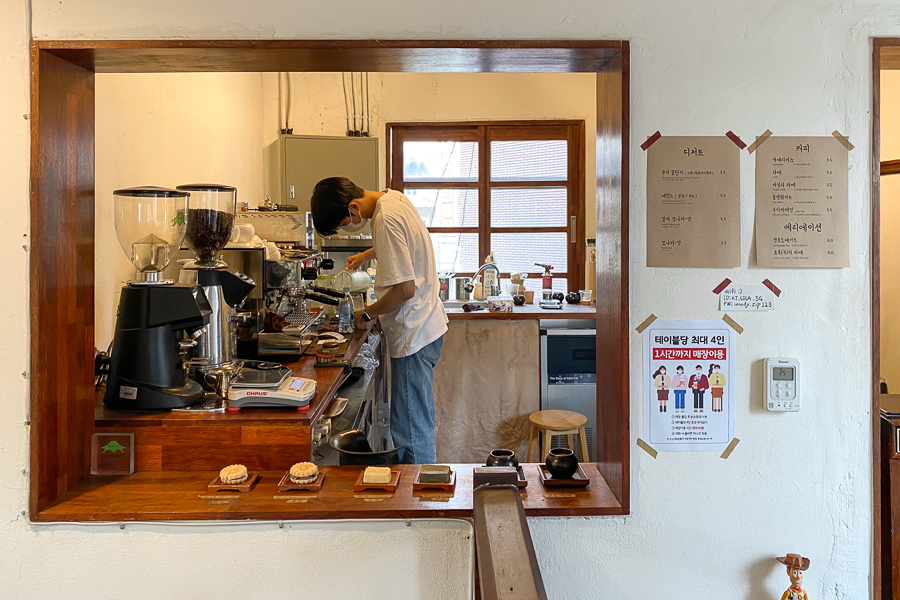
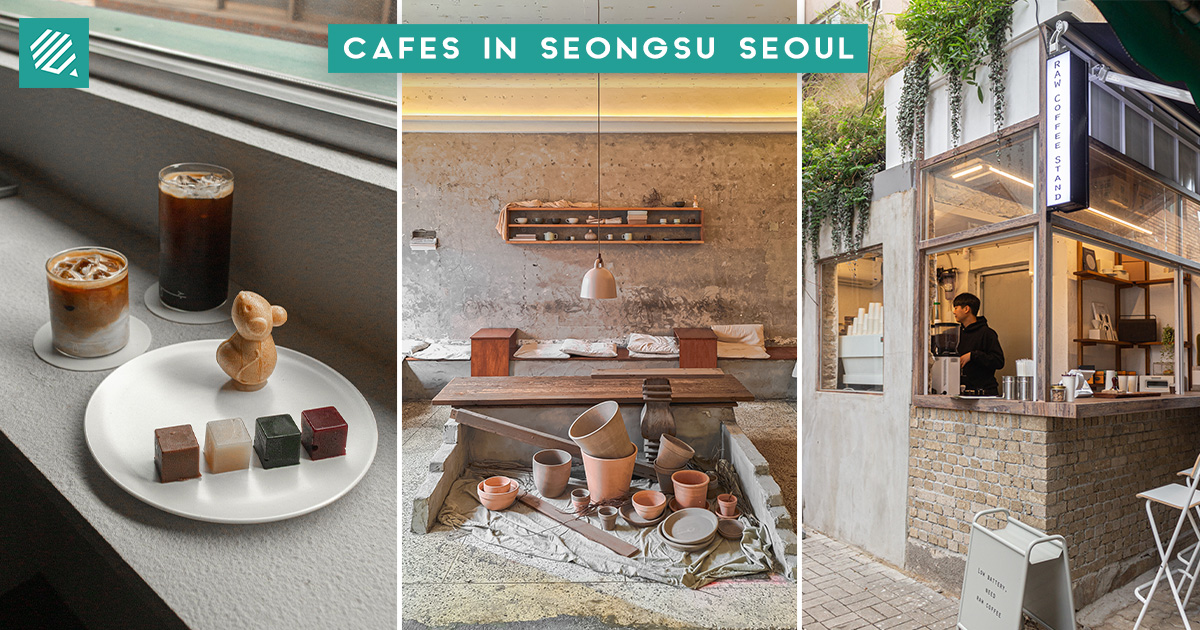
Seoul has some of the most creative and aesthetic cafes in the world. Top areas for cafe-hopping include Seongsu (Seoul's Brooklyn, known for industrial-chic cafes), Bukchon Hanok Village (traditional hanok-style tea houses), Yongsan and Itaewon (specialty coffee and international vibes), and Hongdae (quirky concept cafes). MiddleClass.SG has reviewed over 40 must-visit cafes in Seoul across different neighbourhoods — read the full Seoul cafe guide here.

Do I need to speak Korean to travel in South Korea?

No, you do not need to speak Korean to travel in South Korea, especially in Seoul, Busan, and Jeju. Metro stations, street signs, and tourist attractions have English labelling. Most hotels and major restaurants in tourist areas have English-speaking staff or English menus. That said, learning a few basic Korean phrases — like "annyeonghaseyo" (hello) and "gamsahamnida" (thank you) goes a long way. MiddleClass.SG has a guide to 10 essential Korean survival phrases here.

What apps do I need for travelling in South Korea?

The most essential apps for South Korea travel are Naver Maps (more accurate than Google Maps for Korean transit and walking directions), KakaoTaxi (for hailing cabs), Papago (for translating menus and signs in real-time), and Coupang Eats or Baemin if you're staying in an apartment and want food delivery. For restaurant reservations, Catchtable is widely used by Koreans. See MiddleClass.SG's full list of must-have Korea travel apps.

What are the best day trips from Seoul?

The best day trips from Seoul include Suwon (for Hwaseong Fortress, 30 mins by subway), the DMZ (demilitarized zone tour, 1–2 hrs from Seoul), Nami Island (a scenic tree-lined island made famous by K-dramas, 1.5 hrs by bus), and Pocheon Art Valley (a stunning granite quarry turned cultural park). For those who love nature, Namhae in the south and Gangwon-do resorts are popular for 2-day overnight trips. Most day trips from Seoul can be done via KTX high-speed rail or direct bus.

What is the best way to get around South Korea?

The best way to get around South Korea is by using the T-money card, a rechargeable transit card that works on the Seoul metro, buses, and taxis across the country. Within Seoul, the metro system is extensive, affordable, and easy to navigate with English signage. For intercity travel, KTX (Korea Train Express) is fast and convenient. Seoul to Busan takes under 3 hours. Renting a T-money card at Incheon Airport on arrival is recommended for all visitors.

More Korea Articles

Located in the coastal city of Yangyang, Gangwon-do, Sampal Hwae Jib (삼팔횟집) is a seafood restaurant specialising in hwae (회), Korea’s version of sashimi. Known

Tongyeong is a coastal city in South Korea’s South Gyeongsang Province that surprises, feeds, and quietly rewires your idea of a Korean getaway. It’s not

Korea is not only the land of kimchi, but it’s also filled with the most aesthetic cafes, with some having unimaginable concepts and interiors. If

Yongsan is a huge neighbourhood that covers iconic areas in Seoul, such as Itaewon and Hannam. However, this guide specifically covers the cafes surrounding Yongsan