


Table of Contents
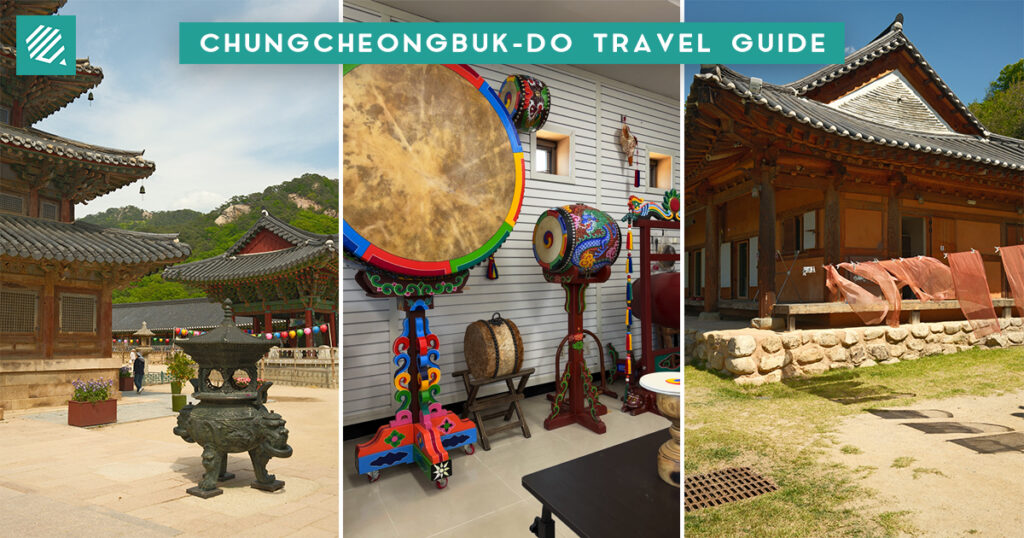
Chungcheongbuk-do is what happens when Korea stops performing for tourists. It’s the country’s only landlocked province, a couple of hours south of Seoul, and its southern counties: Boeun, Okcheon and Yeongdong are where Koreans themselves go to slow down: a 1,400-year-old temple under Songnisan’s peaks, hanok villages where you dye fabric with jujubes, lakeside coffee stops, and, surprise, Korea’s biggest wine region.
This is the Korea of ondol-warmed floors, mountain air and meals built around whatever the county grows best. Here’s everything worth doing, eating and knowing, arranged so you can lift it straight into your own itinerary.
Where Is Chungcheongbuk-do?
Chungcheongbuk-do (충청북도), also called North Chungcheong or simply Chungbuk, is a province in central South Korea, roughly midway between Seoul and Daegu. It’s the only Korean province without a coastline, and what it lacks in beaches it makes up for in mountains and lakes: Songnisan National Park, the Baekdudaegan ridge that forms Korea’s spine, and Daecheong Lake all sit within its borders.
This guide covers the province’s southern loop: Boeun-gun, Okcheon-gun and Yeongdong-gun. Three neighbouring counties that pack in heritage, wellness and agritourism built around the region’s famous jujubes and grapes, with barely a tour bus in sight.
Why Visit Chungcheongbuk-do?
Most Singapore travellers to Korea route through Seoul, Busan or Jeju. Chungcheongbuk-do doesn’t make the shortlist, and that’s both the problem and the opportunity. The region holds a UNESCO World Heritage temple, Korea’s largest grape and wine country, and the kind of hands-on cultural experiences (seal carving, natural dyeing, traditional drumming) that big cities have long since packaged into gift shops.
You’re also arriving without the crowds. The monorail gondola up Songnisan might be just yours. The temple courtyard at Beopjusa on a weekday morning is quieter than any palace in Seoul will ever be. That’s a rarer thing than it sounds.
Chungcheongbuk-do at a Glance
| Stop | County | Best for | Time needed |
|---|---|---|---|
| Beopjusa Temple | Boeun | UNESCO heritage, meditation & tea ceremony | 1.5–2 hours / Overnight for Temple Stay |
| Songnisan Theme Park | Boeun | Monorail views, zipline, skybike | 1–2 hours |
| White Dandelion Village | Boeun | Jujube dyeing, hanok lunch | 2–3 hours |
| Janggye Tourist Site | Okcheon | Daecheong Lake views, coffee break | 30–60 mins |
| Okcheon Traditional Culture Experience Center | Okcheon | Dojang (seal) carving | 1.5–2.5 hours |
| Rainbow Healing Center | Yeongdong | Ondol therapy, foot spa | 2–3 hours |
| Yeongdong Wine Tunnel | Yeongdong | Wine culture hall, local bottles | 45–60 mins |
| Yeongdong Gugak Experience Village | Yeongdong | Janggu drumming, gugak performance | 2–2.5 hours |
| Yeongdong Winery | Yeongdong | Wine tasting, mulled wine making | 1–1.5 hours |
What to Do in Boeun
Boeun-gun is the gateway to Songnisan National Park and the spiritual heart of the province: temples, mountain views and jujubes in every form.
Visit Beopjusa Temple (보은 법주사)

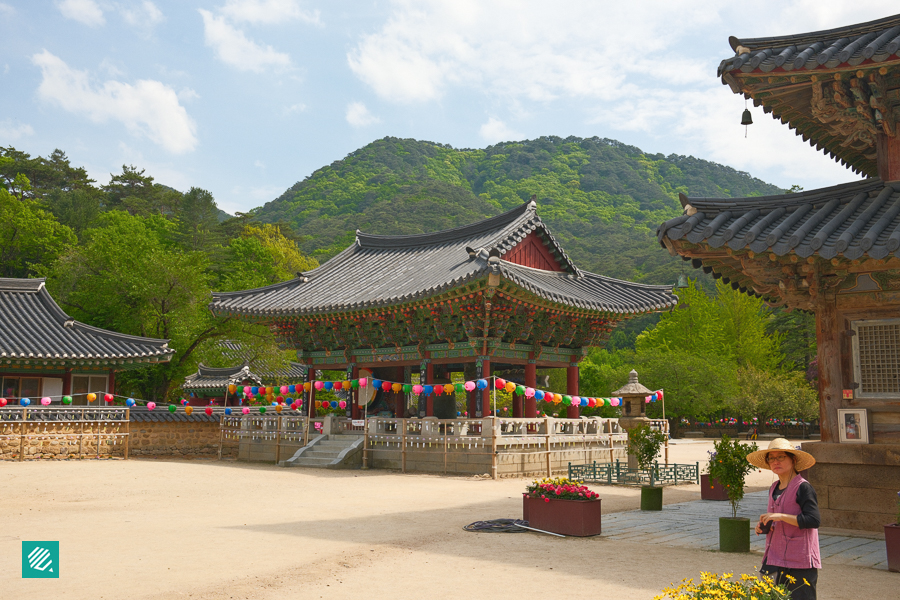
Founded in 553 during the Silla dynasty and rebuilt in 1624 after the Imjin War, Beopjusa Temple is the anchor of any Chungcheongbuk-do itinerary. It’s part of the UNESCO World Heritage listing of Korea’s mountain monasteries, and home to an impressive collection of Buddhist relics centred on the Daeungbojeon main hall, plus a towering golden Maitreya Buddha statue you’ll spot long before you reach it.
Go beyond the photo stops if you can: the temple runs meditation and tea ceremony experiences, and even a temple stay.
Practical info: Beopjusa sits at the entrance of Songnisan National Park in Boeun-gun, around 2.5 hours from Seoul. The walk in from the car park is flat and forested. Temple experience programmes (meditation, tea ceremony) should be arranged in advance.
Ride the Monorail at Songnisan Theme Park (속리산테마파크)
A short hop from the temple, Songnisan Theme Park is where the region shows off its adventurous side: zipline, skybike, skytrail and a scenic monorail that crawls up the hillside to Moktakbong Cafe. Order something warm, park yourself by the glass, and take in a panoramic sweep of Songnisan and the Baekdudaegan ridge. This is the mountain range Koreans call the spine of the peninsula.
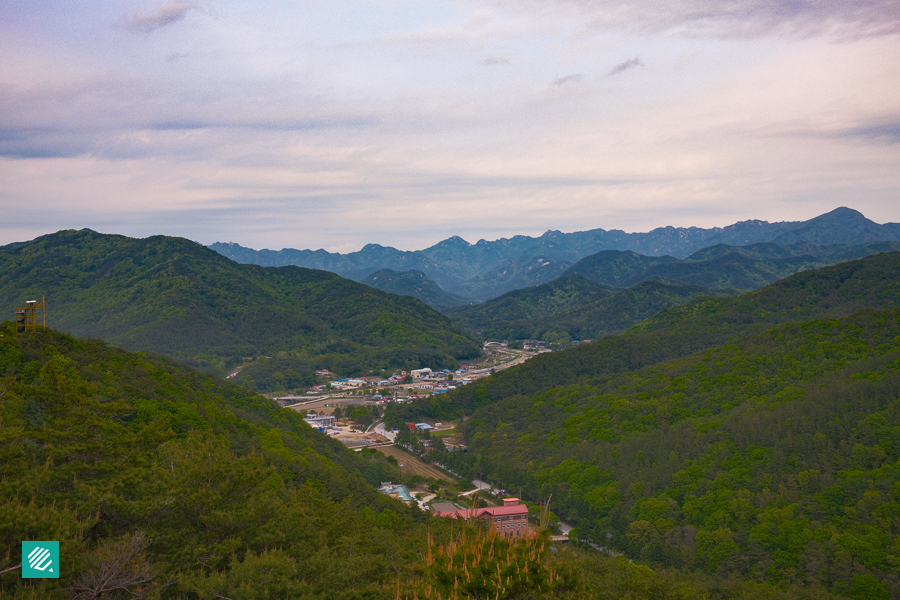
Practical info: Located between Mt. Songni and Maltijae Pass. The monorail-and-cafe combo takes about an hour; add more if you’re doing the zipline or skybike. Golden hour makes the ridgeline views considerably more dramatic.
Dye Fabric With Jujubes at White Dandelion Village (하얀민들레마을)
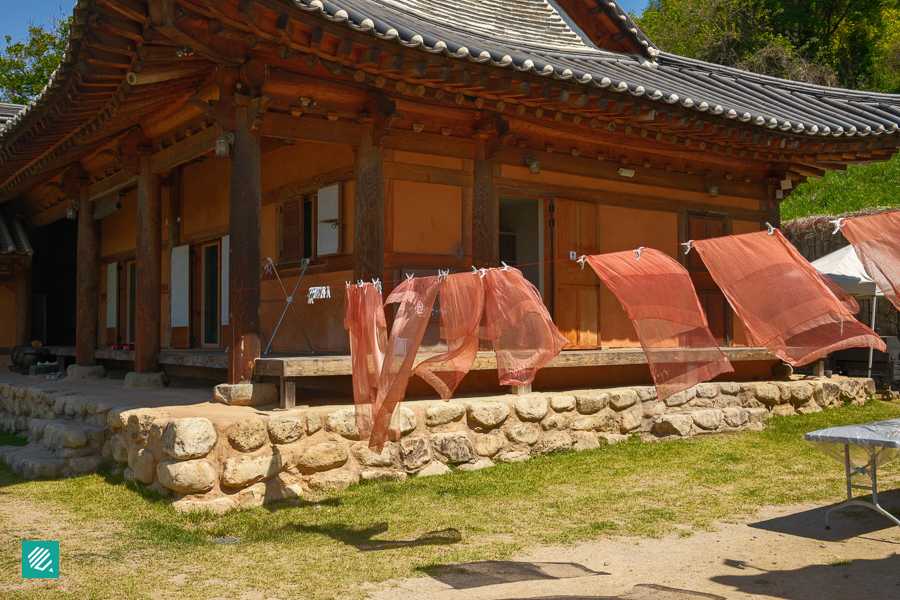
Boeun is Korea’s jujube (red date) capital. There’s an entire festival for it every mid-October and at White Dandelion Village, a traditional hanok village, you get to work with the fruit rather than just eat it. We tried natural fabric dyeing using local jujubes, then sat down to a home-style countryside lunch of grilled pork belly and dandelion pancake while our fabric dried in the breeze.
Fun fact: This is also where NANA bnb by SEVENTEEN was filmed.
Reservations via Naver Maps.
What to Do in Okcheon
Okcheon-gun sits on the shores of Daecheong Lake, an easy 40-minute hop from Boeun. Come for the lake views, stay for the hands-on culture.
Take a Lakeside Break at Janggye Tourist Site (장계관광지)
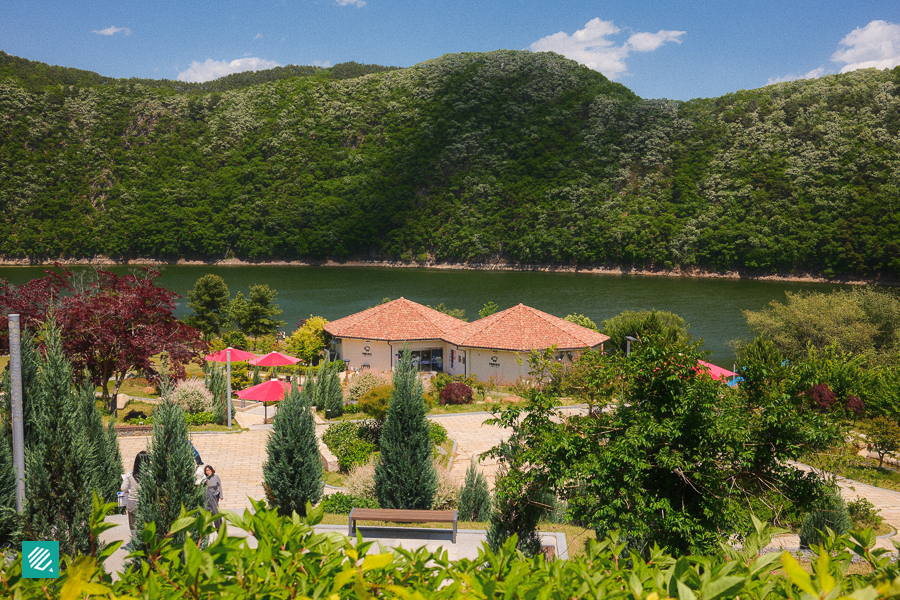
Around 40 minutes from Boeun in Okcheon-gun, Janggye Tourist Site sits on the edge of Daecheong Lake, with walking trails, viewpoints and cherry blossom-lined roads in spring. This is your coffee-and-camera stop: the lake views are broad and calm, and the vibe is closer to a Korean weekend drive than a tourist attraction. If you’re chasing that quiet cafe-by-the-water content for your feed, this is the spot.
Carve Your Own Dojang at Okcheon Traditional Culture Experience Center (옥천전통문화체험관)
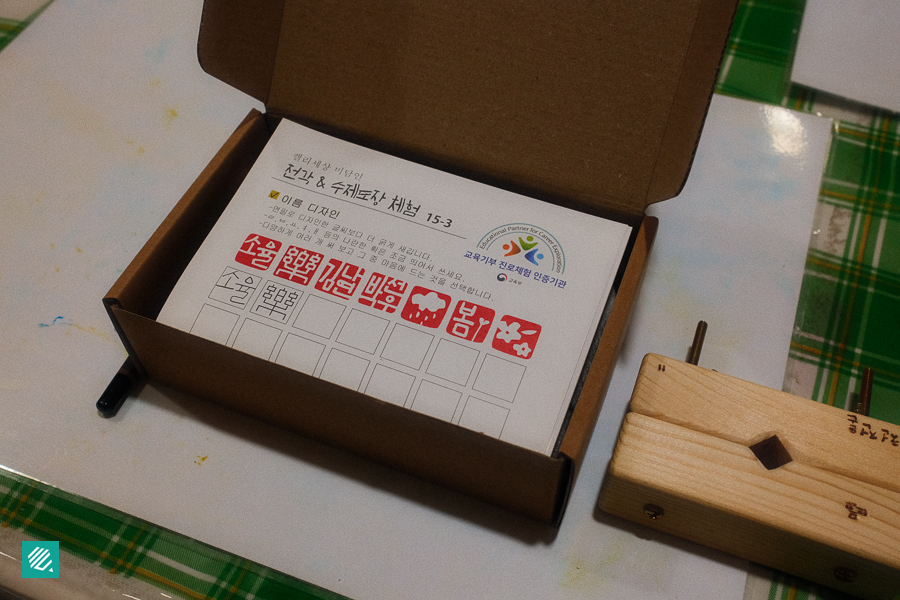
Opened in 2020, this hanok-style complex is Okcheon’s one-stop culture shop, with exhibition halls, a cafe and hands-on programmes. The highlight is making your own dojang, the traditional Korean name seal — which you’ll carve and stamp yourself, fuelled by Korean sweet snacks. As souvenirs go, a seal with your name in hangul beats another fridge magnet by a comfortable margin.
What to Do in Yeongdong
Yeongdong-gun is Korea’s largest grape-producing county and the home of traditional gugak music. Wellness in the morning, wine in the afternoon.
Unwind at Rainbow Healing Center (레인보우 힐링센터)
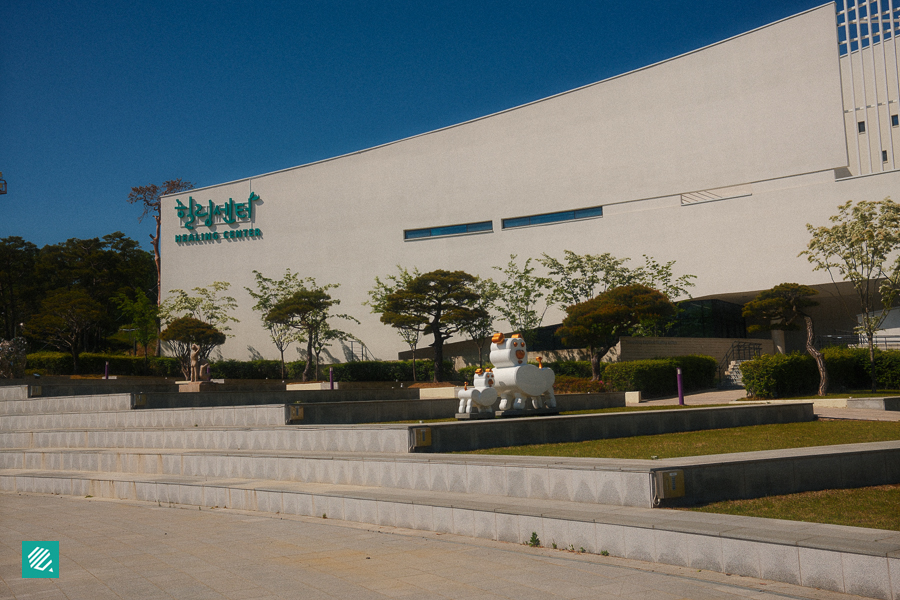
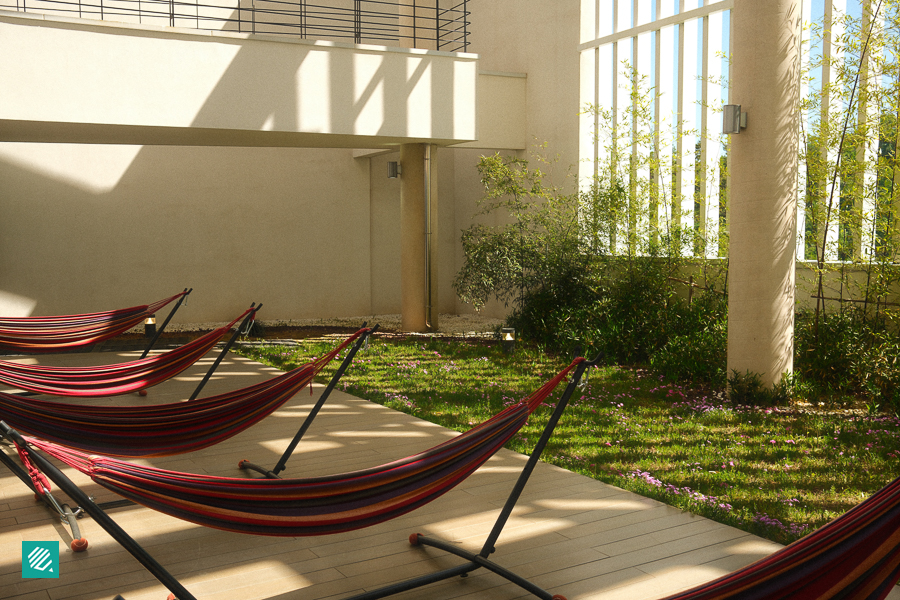
Yeongdong leans hard into wellness, and the Rainbow Healing Center is the gentlest possible start to a day: ondol jjimjil (heated-floor therapy) and a warm foot spa in a nature-wrapped setting within the Rainbow Healing Tourist Site.
Practical info: No change of clothes needed; just dress comfortably. Towels are provided for the foot spa.
Walk Through Yeongdong Wine Tunnel (영동 와인터널)
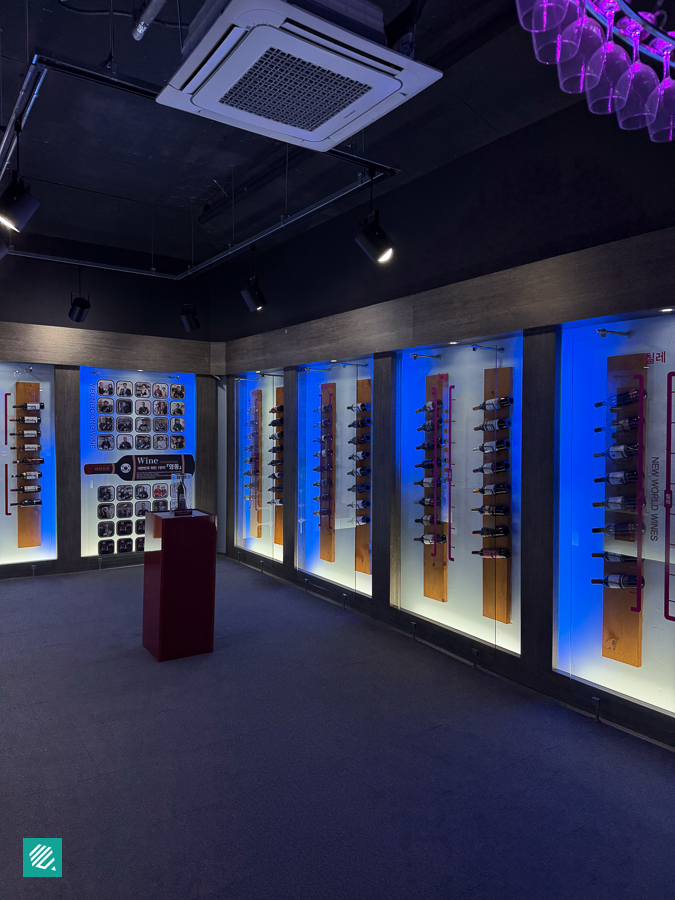
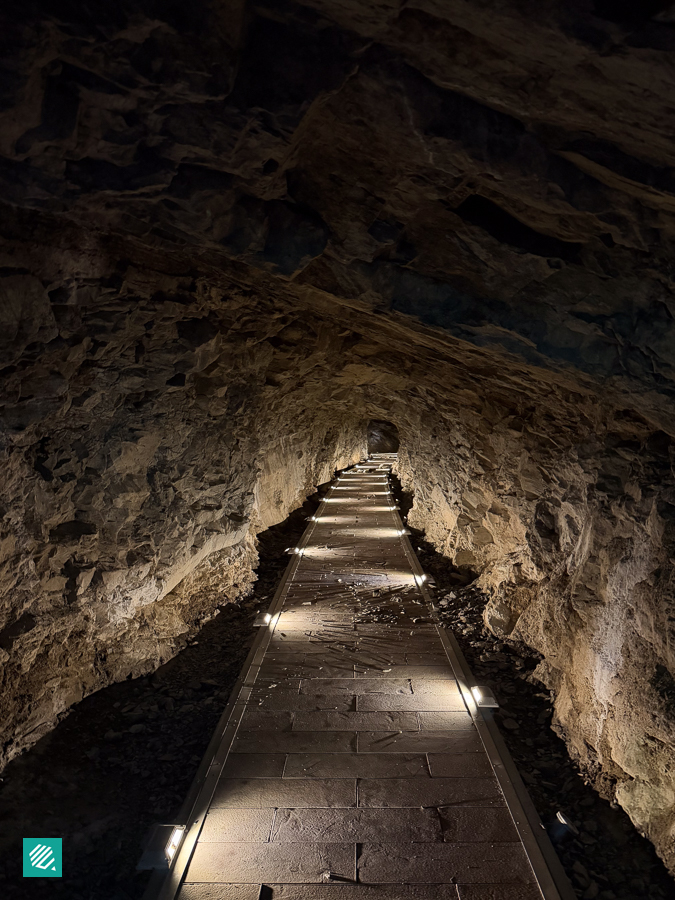
Yeongdong is Korea’s largest grape-producing region, and the Wine Tunnel is its showpiece: a 420-metre tunnel originally built for wine storage thanks to its naturally ideal conditions, now housing a Wine Culture Hall and shops stocked with locally produced bottles.
Drum Along at Yeongdong Gugak Experience Village (영동국악체험촌)
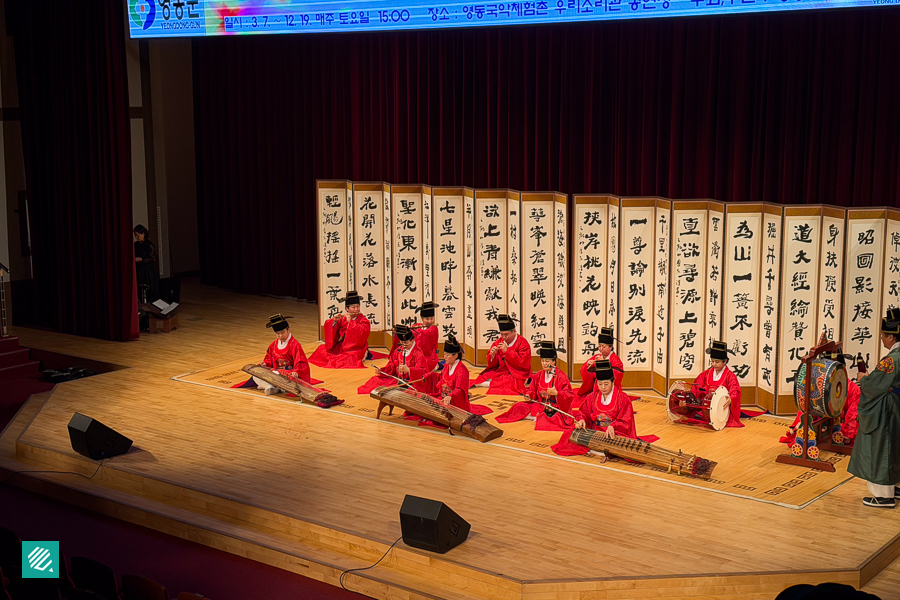
Yeongdong is also a hometown of Korean traditional music (gugak). It hosts the annual Nangye Korean Traditional Music Festival and at the Gugak Experience Village you can watch a live performance, then make and play your own janggu, the hourglass-shaped drum that drives Korean rhythm. It’s hands-on, surprisingly cathartic, and a much better story than ‘we saw a show’. It is also home to the largest drum in the world, certified by Guinness World Records.
Taste Korean Wine at Sinabro Winery (시나브로 와이너리)
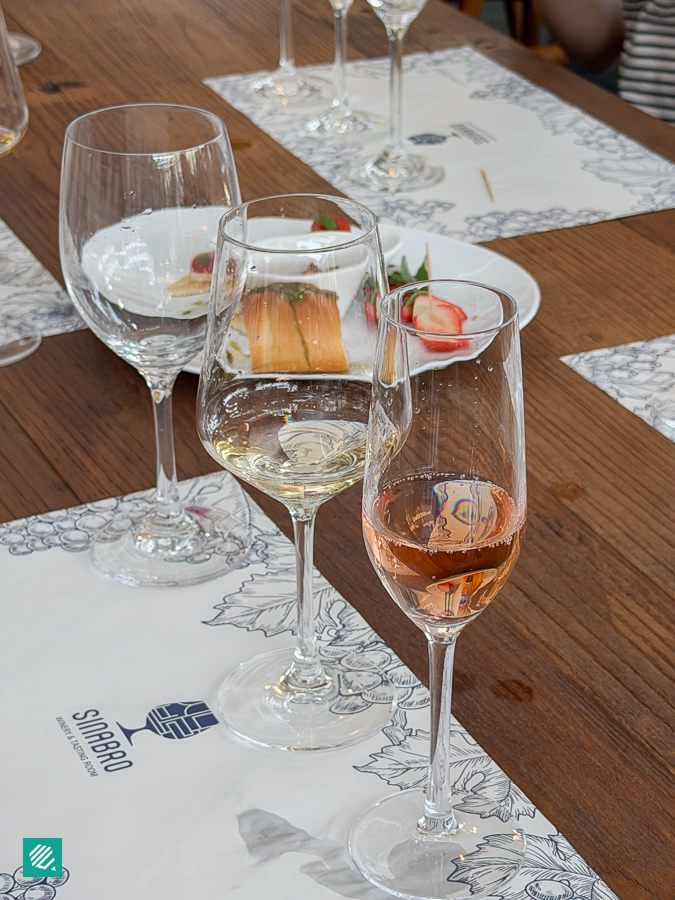
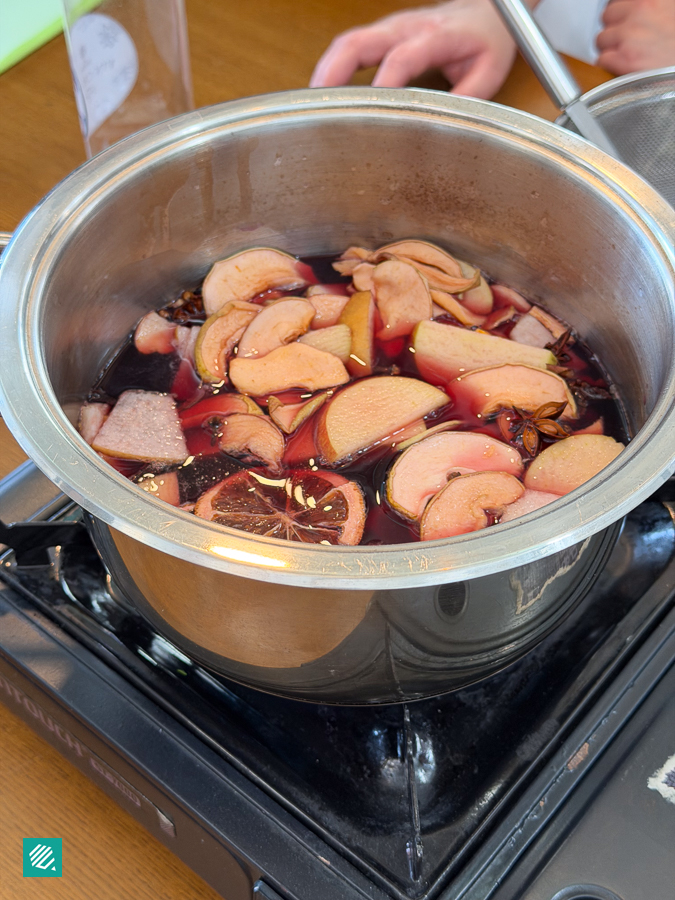
Finish at Sinabro Winery for a guided tasting of local wines, followed by a make-your-own mulled wine session using Yeongdong grapes. Korean wine is still a rarity on Singapore shelves, which makes a bottle or two an excellent souvenir flex.
What to Eat in Chungcheongbuk-do
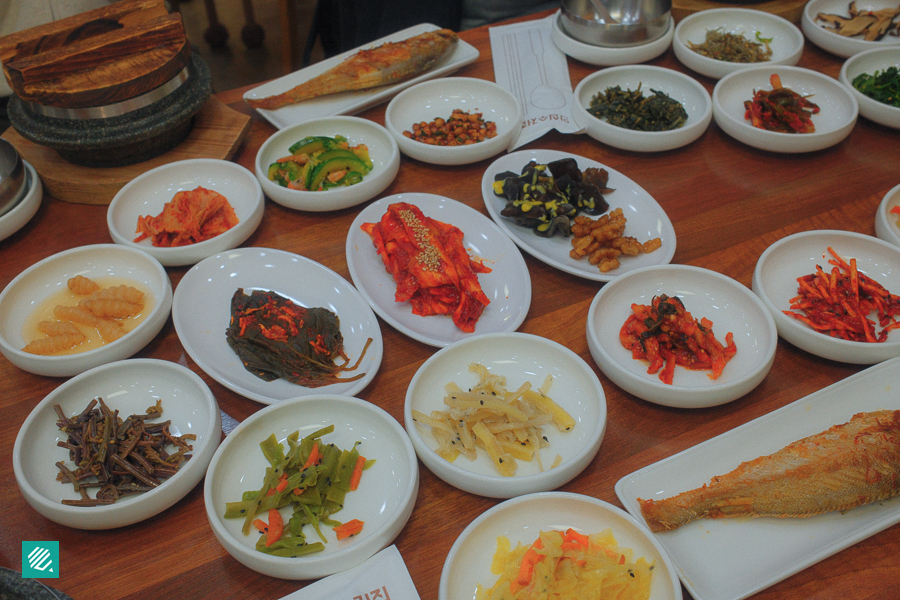
This is mountain-food territory, and it’s glorious. Every meal comes with a small army of banchan, as is right and proper. The dishes we’d fly back for:
| Dish | What it is | Where we tried it |
|---|---|---|
| Sanchae jeongsik (산채정식) | Wild mountain vegetable spread with deodeokgui (grilled lance asiabell), grilled fish and doenjang jjigae | Yeongnam Restaurant (영남식당), Boeun |
| Beoseot jeongol (버섯전골) | Bubbling mushroom hotpot with sweet-and-sour mushroom and nutritious mushroom rice | Songgoga (송고가), near Okcheon |
| Nakji yeonpotang (낙지연포탕) | Clean, briny octopus soup. Make sure to get the fiery nakji bokkeum (stir-fried octopus) also | Kim Myeong-ja Nakji Madang (김명자낙지마당), Yeongdong |
| Boeun jujubes (대추) | Korea’s premium sweet jujubes, fresh, dried or in tea | Everywhere in Boeun; peak season October |
| Yeongdong wine | Local reds, whites and mulled wine from Korea’s largest grape region | Yeongdong Wine Tunnel & Yeongdong Winery |
How to Get to Chungcheongbuk-do from Singapore
Fly direct from Changi to Incheon in approximately 6.5 hours. Korean Air, Singapore Airlines and Scoot all serve the route. From there, the southern Chungbuk counties are a road trip: budget around three hours from Incheon Airport to Boeun, or two to two-and-a-half hours if you’re starting from Seoul.
| Option | Route | Duration | Notes |
|---|---|---|---|
| Rental car (recommended) | Incheon/Seoul → Boeun → Okcheon → Yeongdong | 2.5–3 hours to Boeun | Most flexible; use Naver Map or Kakao Map, not Google Maps |
| Intercity bus | Seoul (Dongseoul/express terminals) → Boeun, Okcheon or Yeongdong | 2.5–3.5 hours | Cheap and reliable, but you’ll need taxis between attractions |
| KTX + transfer | Seoul → Daejeon by KTX, then bus or car | 1 hour + 40–60 mins | Fastest rail option; Okcheon is closest to Daejeon |
One non-negotiable: download Naver Map or Kakao Map before you fly. Google Maps doesn’t do proper driving navigation in Korea.
When Is the Best Time to Visit Chungcheongbuk-do?
Spring (April to May) is prime: 23°C days, cool 12–13°C evenings, around 200 hours of sunshine in May, and cherry blossoms along Daecheong Lake early in the season. This is when we went, and the itinerary above is built for it.
Autumn (September to October) is festival season and arguably the region at its best-fed. Foliage around Songnisan peaks in late October.
Summer is green and lush but expect monsoon rain in July; winter is cold but makes the ondol healing therapy hit different.
| Festival | When | Where | Why go |
|---|---|---|---|
| Yeongdong Grape Festival | September | Yeongdong-gun | Harvest celebrations, fresh grapes, local wine |
| Boeun Jujube Festival | Mid-October | Boeun-gun | Korea’s premium jujubes, performances, local produce |
| Yeongdong Nangye Korean Traditional Music Festival | Autumn (annual) | Yeongdong Gugak Experience Village | Gugak performances in the home of Korean traditional music |
Where to Stay in Chungcheongbuk-do
| Property | Location | Known for |
|---|---|---|
| Nine Valley Park (나인밸리파크) | Boeun-gun | Tranquil valley retreat with lawns, trails and outdoor activity areas. Food for families and groups |
| Illite Golf & Resort (일라이트골프앤리조트) | Yeongdong-gun | Scenic golf course, clubhouse dining and garden barbecue nights amid the mountains |
Both are the kind of places where the point is to not have plans after dinner. If you’d rather base yourself in a city, Daejeon sits conveniently between Okcheon and the highway back north.
Challenges and Limitations of Visiting Chungcheongbuk-do
You’ll want a car. The three counties are connected by highway but attractions are spread out, and rural bus frequencies are not built for tight itineraries. If you don’t drive, consider a private driver or the KTO’s 1330 travel hotline for route help.
No train to the doorstep. The KTX gets you to Daejeon quickly, but the last stretch into Boeun or Yeongdong is road only. Build in transfer time.
English is limited. Menus and signage in rural Chungbuk are mostly Korean-only. Google Translate’s camera mode and Papago handle menus fine; Naver Map handles the rest.
Experiences need booking. The hands-on programmes like temple tea ceremony, jujube dyeing, dojang carving, janggu making need reservations. Book ahead rather than walking in.
Frequently Asked Questions About Chungcheongbuk-do
What is Chungcheongbuk-do known for?
Chungcheongbuk-do is known for Beopjusa Temple (a UNESCO World Heritage mountain monastery), Songnisan National Park, Daecheong Lake, Boeun’s jujubes and Yeongdong. Korea’s largest grape-growing region, home to the Yeongdong Wine Tunnel and local wineries.
Where is Chungcheongbuk-do?
Chungcheongbuk-do (North Chungcheong Province) sits in central South Korea, roughly midway between Seoul and Daegu. It is the country’s only landlocked province, and its southern counties: Boeun, Okcheon and Yeongdong, are about two to two-and-a-half hours south of Seoul by road.
How do I get to Chungcheongbuk-do from Seoul?
Driving takes around 2 to 2.5 hours to Boeun, and intercity buses run from Seoul to Boeun, Okcheon and Yeongdong. A rental car with Naver Map or Kakao Map is the most practical way to cover the spread-out attractions.
How long should I spend in Chungcheongbuk-do?
3 to 4 days covers the southern counties comfortably. One day each for Boeun (Beopjusa Temple, Songnisan Theme Park), Okcheon (Daecheong Lake, the culture centre) and Yeongdong (wine tunnel, winery, gugak village). Add in more if you’re intending to do hikes or stay in a temple.
Is Chungcheongbuk-do worth visiting?
Yes, especially if you have already done Seoul and Busan. It offers UNESCO heritage, mountain scenery, hands-on cultural experiences and Korea’s wine country with far fewer crowds, and works well as a two-to-three-day road trip from Seoul.
When is the best time to visit Chungcheongbuk-do?
May offers warm 23°C days and blooming countryside, while autumn brings the Yeongdong Grape Festival (September), the Boeun Jujube Festival (mid-October) and peak foliage around Songnisan National Park.
Do I need to rent a car in Chungcheongbuk-do?
A car is strongly recommended. Attractions are spread across Boeun, Okcheon and Yeongdong counties, and public transport between individual sights is limited. Use Naver Map or Kakao Map, as Google Maps has limited driving navigation in Korea.
Does Korea really produce wine?
Yes. Yeongdong county in Chungcheongbuk-do is Korea’s largest grape-producing region, and its favourable climate and soil support dozens of local wineries. You can taste and buy Korean wine at the Yeongdong Wine Tunnel and Yeongdong Winery, or visit during the Yeongdong Grape Festival in September.
Related Reading
- Ultimate Travel Guide to South Korea 2026: https://middleclass.sg/korea/
- 10 Best Travel Apps To Download For Your Korea Trip: https://middleclass.sg/travel/apps-for-south-korea-travel/
This post was done in partnership with Korea Tourism Organization (Singapore).
*Follow MiddleClass.sg on Facebook, Instagram, TikTok, and Telegram for more food, travel, and trending stories.